You may recall that the last Rhona MacLeod thriller, The Wild Coast, juxtaposed Glaswegian nightlife with tales of camping on the wild west coast. For Whispers of the Dead, Lin Anderson gives us two more tightly observed and contrasting locations: the Clyde tunnel and the Rosneath Peninsula which is the sort of place you can go to ground. This is a tale of gangland violence, of coercive control and tight community culture. It is a story of bravery, of sadness, of fear and defiance. It’s a yarn about ties that bind, for worse and for better.
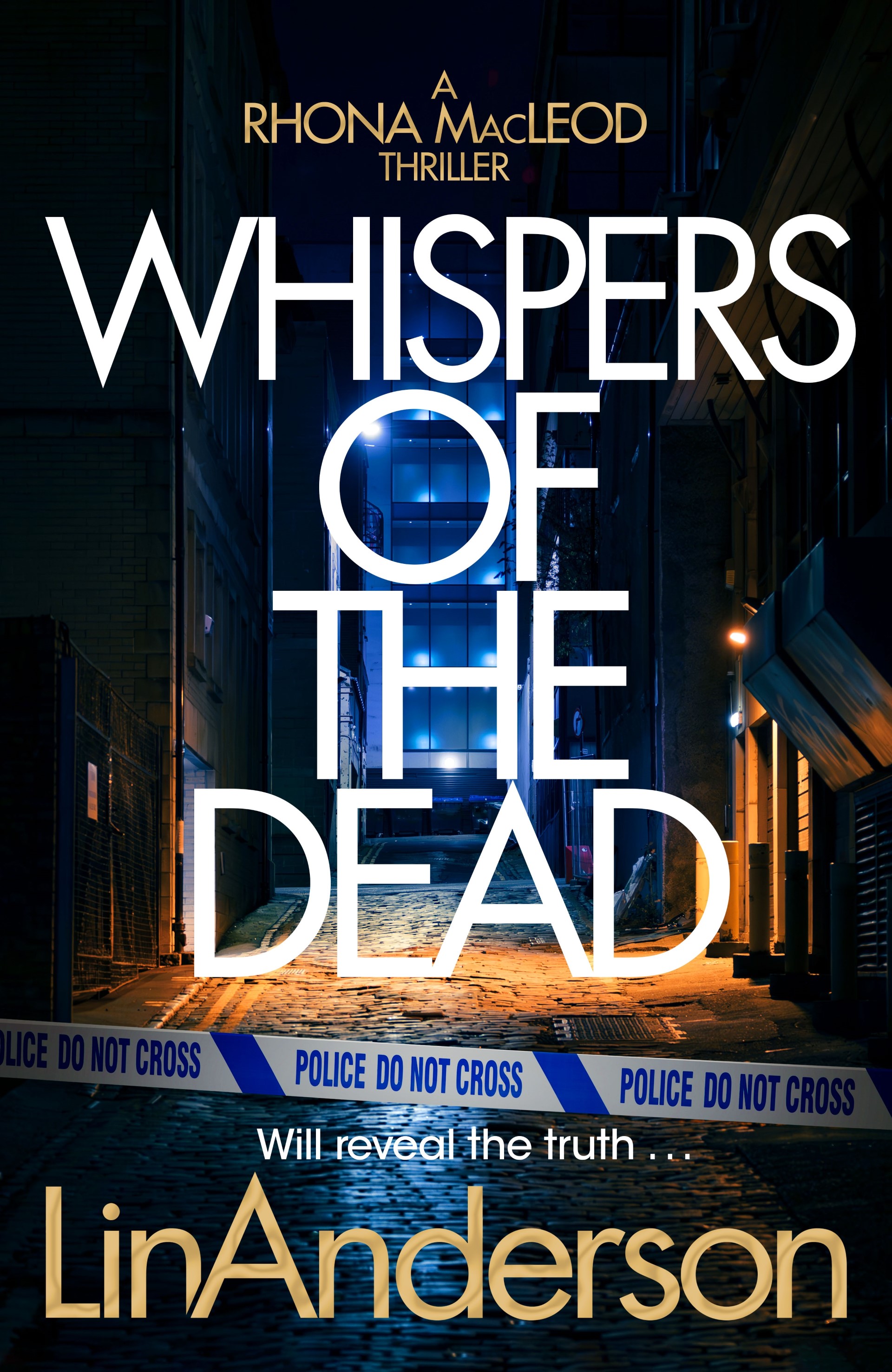
Anderson uses fairly standard polis procedural tropes such as the tight-knit team who all live for their work (and occasional jazz) and are rubbish with relationships except with each other – they know precisely what each other are thinking from a single glance. This could be really annoying if it were not for the problem that MacLeod, McNab and co are so damned likeable. And although Whispers includes a current case and an old one that happily coincide to the fortune of the investigating officers, there is enough about this one that makes it different. In particular, the use of children who are major characters if not protagonists is done skilfully. A gang of three lads roar up and down on their bicycles, mess around and find themselves where they should not be: there is an air of the Famous Five to proceedings, especially when McNab provides Caramel logs to get them to talk. Another child character, who presents as a kind of spirit, shouldn’t work for me but does. Anderson makes the reader care for her young creations as much as the police team do, and there are moments of worry and sadness but celebratory air-punching too.
If Glasgow and Rosneath are ever-present characters in their own right, Anderson this time round introduces a backdrop that’s just as powerful. The story takes place in the run-up to Christmas, and with just a few days to go, too many of Police Scotland’s finest have no firm plans for 25 December. But Christmas is all about belonging and community and trust, and for all its gangland rivalries and suggestions of torture and stunted lives, this book is as sentimental as you like. As a result I find myself hoping for a particular result that under normal circumstances I would dismiss as unbelievable and outrageous.
There is something about Scottish crime, call it Tartan Noir if you like, that’s quite distinct from other variants. Although I love thrillers set in London – I am delighted that a pub round the corner from my office is featured in None of this is True – the city is not the star of most of those. Yet both Glasgow and Edinburgh in particular take centre stage in the Tartan thrillers I’ve had the pleasure to encounter – including by non-Scottish writers such as Simone Buchholz. If Icelandic crime (and we return to Iceland later this week on Cafethinking) centres on the weather, Glasgow crime is all about the energy of the city and its people.
As for the mystery: I enjoyed it. It was imaginative, just about believable (once you get past the coincidences) and has plenty of pace, tension, red herrings and haggis suppers. But as with previous Lin Anderson novels, it’s isn’t the plot but what the writer does with it that makes the difference and keeps us coming back for more.
Thanks to Macmillan for the review copy and to Anne Cater for the blog tour invitation.
 Cafethinking
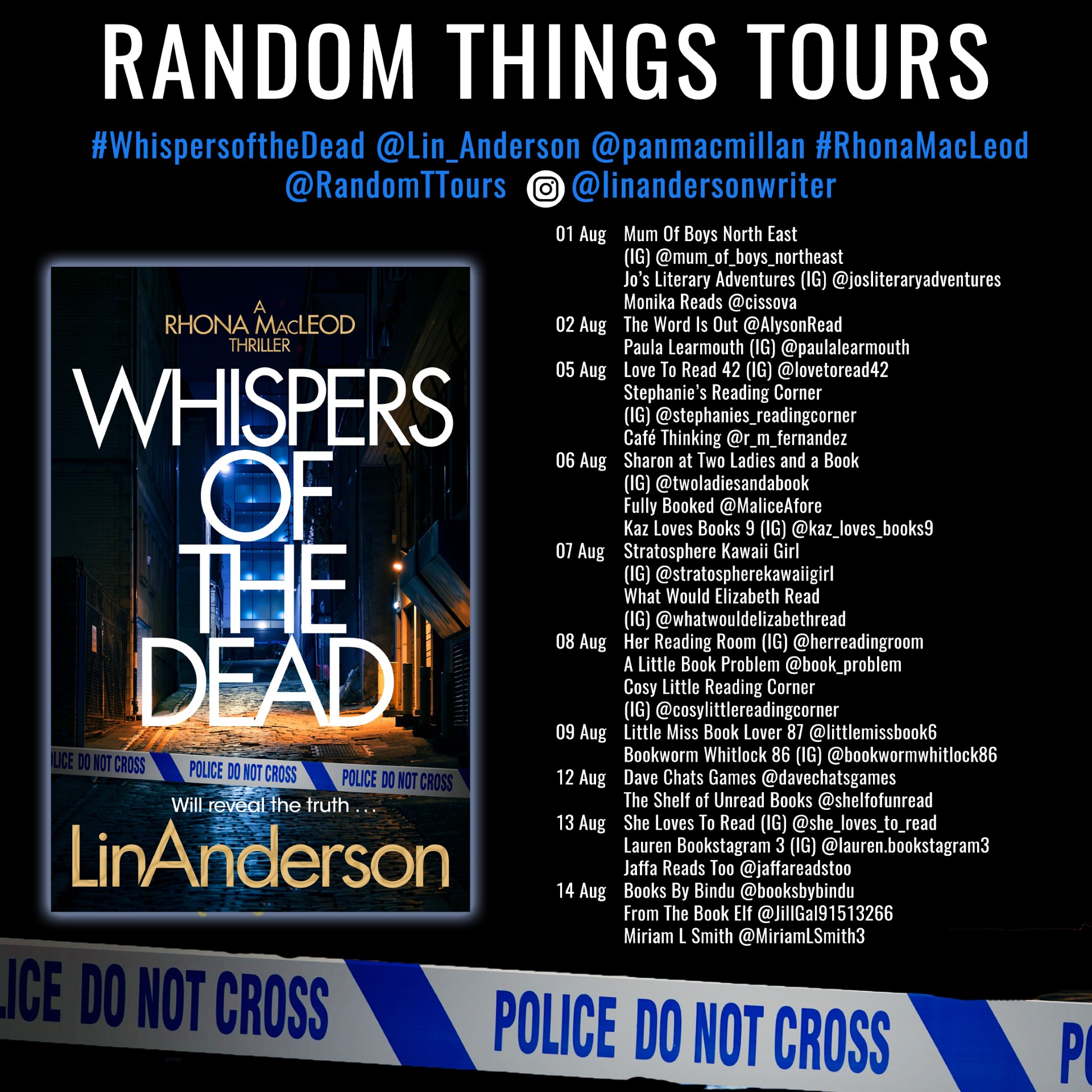
Thanks for the blog tour support x